

Objectives
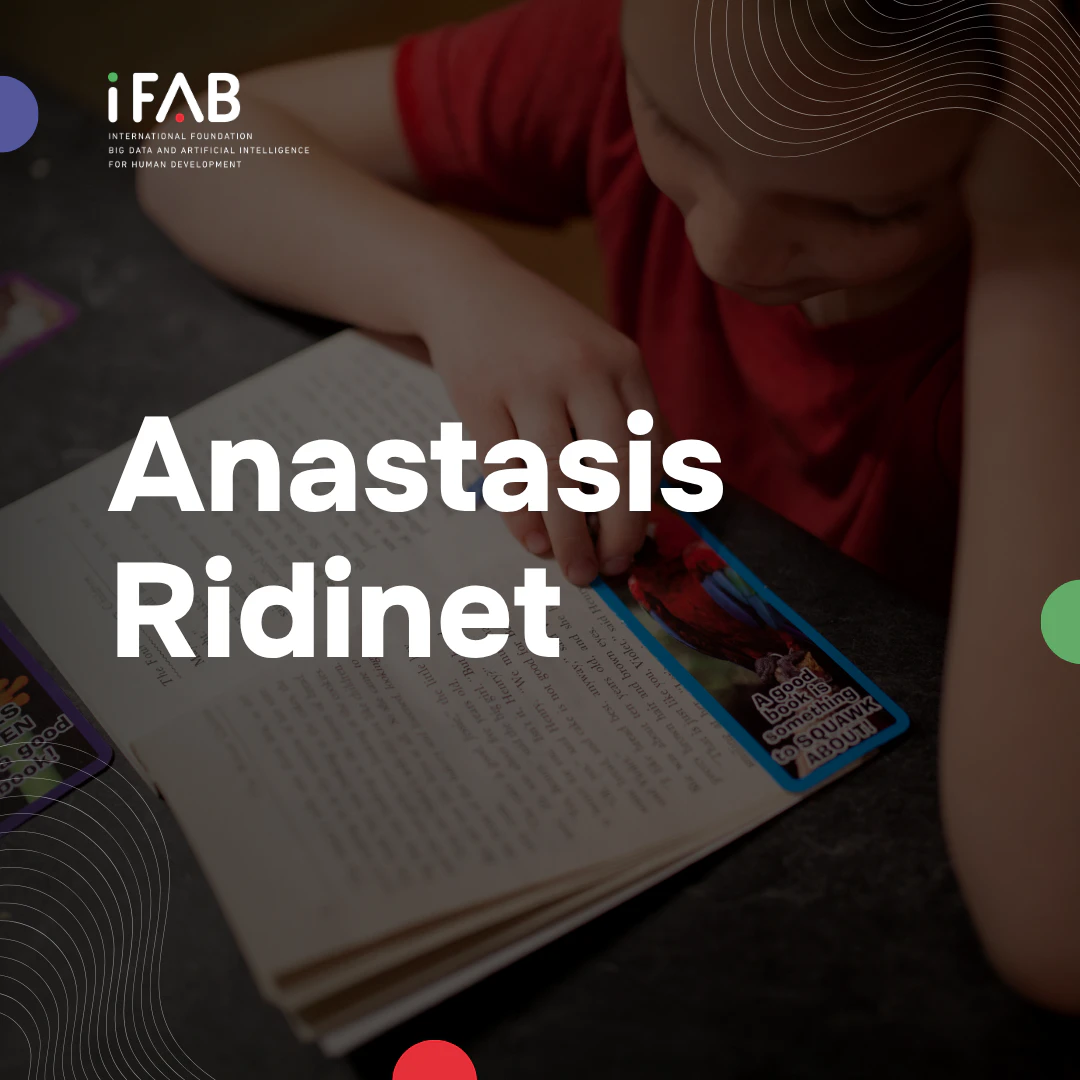
The goal is to analyze data collected during reading exercises performed by children with learning disabilities and other special educational needs. For the analysis, learning curves will be compared to check whether changes in parameters predict the greatest and fastest improvement.
Initial challenge
Trying to gain a more detailed understanding of the different reading speed and accuracy profiles and their related learning curves.
Solution
Data measurement includes:
- Speed: calculated based on the text reading time and expressed in syllables/second. Each individual’s initial speed is calculated by the clinician through an accurate initial test.
- Accuracy: defined as the percentage of syllables read correctly; the number of incorrect syllables is recorded by the parent.
- Success: an event that occurs when both speed and accuracy exceed the target set by the clinician.
To optimize the self-adaptive increment logic, the solutions are:
- involving clinical experts for suggestions
- also analyzing the manual mode, in which speed is not influenced by the clinician’s settings
- including the individual’s age, since this can help trace back to the condition by comparing initial reading speed with the statistical distribution of children
- including PND (percentage of non-overlapping data) in the analysis
- being able to include a graphical visualization of the parameters on the clinician’s screen
Benefits
The project provides important information for developing detailed learning curves and calibrating reading difficulty levels to support the individual’s learning.
Partners
Privacy compliance in the data extraction and processing procedure
All data that was extracted and used in the processing and analysis was handled in full compliance with Article 13 of the GDPR (General Data Protection Regulation) EU 2016/679. In the data processing notice provided to the parents of patients treated through the RidiNet tele-treatment platform, explicit, specific consent was requested for the possible processing of data for statistical and epidemiological research purposes. The data was processed in a strictly anonymous and aggregated form. For any further information on data handling by the RidiNet service, please visit the following webpage: https://privacy.ridinet.it/
For more information, contact: projects@ifabfoundation.org